Pregnancy and childbirth are natural processes, but in some situations, a normal vaginal delivery may not be safe for the mother or the baby. In such cases, doctors recommend a C-section (Cesarean section).
This article explains, in simple language:
Who usually needs a C-section
The role of anaesthesia during C-section
How much bleeding is expected
Possible risks and how doctors prevent them
What Is a C-Section?
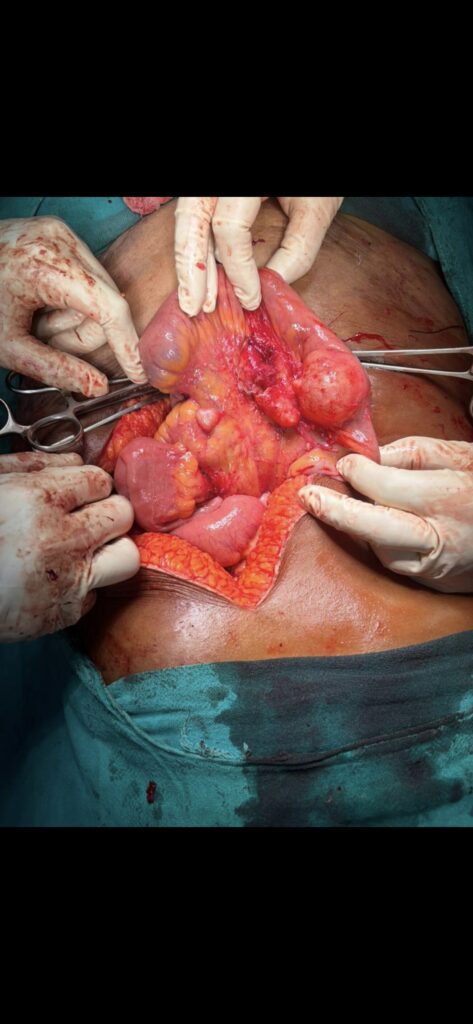
A C-section is a surgical method of delivering a baby.
The baby is delivered through an incision made in the mother’s abdomen and uterus.
Doctors recommend a C-section only when it is safer than normal delivery.
Who Usually Needs a C-Section?
Not every pregnant woman needs a C-section. Some common reasons include:
1. Baby Is Not in the Correct Position
Breech position (feet or bottom first)
Transverse or sideways position
2. Labour Is Not Progressing
Cervix does not open adequately
Labour pain continues but delivery does not advance
3. Fetal Distress
Abnormal baby heart rate
Reduced oxygen supply to the baby
4. Previous C-Section
Weak uterine scar
Risk of scar rupture during labour
5. Pregnancy or Medical Complications
High blood pressure (preeclampsia)
Diabetes
Placenta previa (placenta lying low)
Multiple pregnancy (twins or more)
Role of Anaesthesia in C-Section
Anaesthesia plays a critical role in making C-section safe and pain-free.
The anaesthesiologist ensures:
The mother feels no pain
Blood pressure and heart rate remain stable
Breathing and oxygen levels are maintained
Any emergency is handled immediately
Types of Anaesthesia Used in C-Section
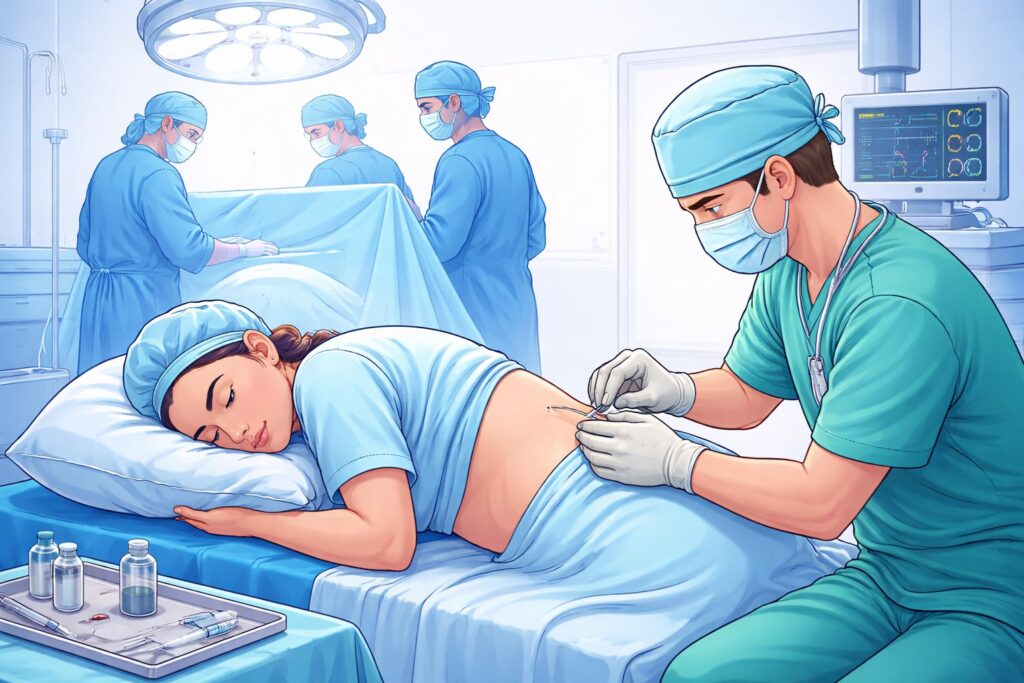
Spinal Anaesthesia (Most Common and Preferred)
The mother remains awake
The lower half of the body becomes numb
The mother can hear the baby’s first cry\
This is the safest and most commonly used method worldwide.
General Anaesthesia (Used in Special Situations)
The mother is put to sleep
Used in emergency cases or when spinal anaesthesia is not possible
How Much Bleeding Occurs During a C-Section?
During a routine C-section:
About 500–1000 ml of blood loss is expected
This amount is usually well controlled and monitored.
When Can Bleeding Be More?
Severe anaemia
Placental problems
Prolonged surgery
Infection
Multiple pregnancy
How Do Doctors Prevent Excessive Bleeding?
To reduce bleeding risks, doctors take several precautions:
Blood tests before surgery
Blood arranged in advance if needed
Medicines to help the uterus contract
Continuous monitoring of blood pressure and vitals
Blood transfusion if required
Because of these measures, C-sections are considered safe procedures in modern hospitals.
Possible Risks of C-Section and Anaesthesia
Every surgery carries some risk, but serious complications are rare.
Possible risks include:
Temporary drop in blood pressure
Nausea or vomiting
Mild back discomfort (temporary)
Excessive bleeding (rare)
With proper monitoring, these risks are identified early and managed effectively.
What Should the Patient Know Before Surgery?
Follow fasting instructions before surgery
Inform the doctor about medical conditions and medicines
Get required blood tests done on time
Do not hesitate to ask questions to your anaesthesiologist
Anaesthesiologist’s Role Is More Than Giving Anaesthesia
An anaesthesiologist:
Manages pain during surgery
Monitors heart, blood pressure, and oxygen
Manages bleeding and emergencies
Ensures smooth recovery after surgery
Final Message for Patients
A C-section is a well-planned and safe procedure when done for the right reasons.
Anaesthesia ensures comfort, safety, and stability for both mother and baby.
Understanding the procedure helps reduce fear and builds trust in medical care.
Medical Disclaimer
This article is for educational purposes only and does not replace professional medical advice. Please consult your obstetrician and anaesthesiologist for individual medical guidance.