INTRODUCTION
Uterine fibroids are one of the most common gynecological conditions affecting women worldwide. Although they are non-cancerous (benign), fibroids can cause significant symptoms such as heavy menstrual bleeding, pain, and fertility problems. When medical treatment is insufficient, surgery becomes necessary, and anaesthesia plays a vital role in ensuring patient safety and comfort.
What Are Uterine Fibroids?
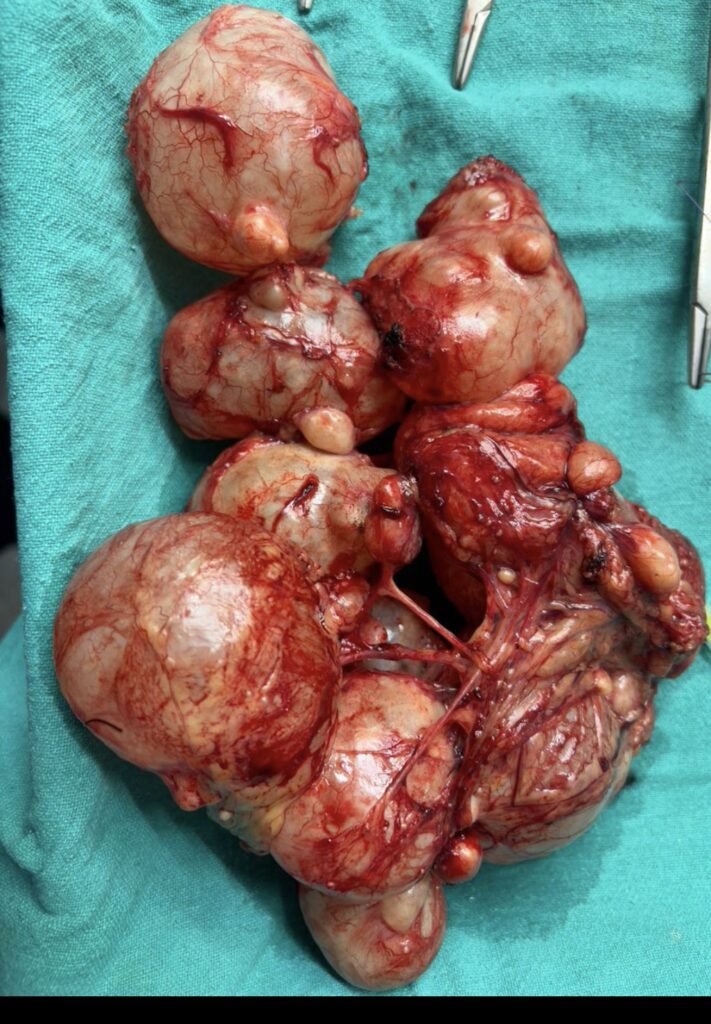
Uterine fibroids, also known as leiomyomas, are abnormal growths arising from the muscular wall of the uterus. They may vary in size and number and can grow at different locations within or around the uterus.
Common Symptoms of Uterine Fibroids
Some women may not experience symptoms, but others may have: Heavy or prolonged menstrual bleeding Severe menstrual cramps Anemia due to blood loss Pelvic pain or pressure Frequent urination or constipation Difficulty in conceiving or repeated miscarriages Abdominal enlargement
Treatment Options for Uterine Fibroids
1. Medical Treatment
Hormonal therapy Medicines to control bleedingbTemporary size reduction using specific drugs
2. Surgical Treatment for Uterine Fibroids
Surgery is recommended when fibroids cause severe symptoms, infertility, or significant anemia.
Common Surgical Procedures
Myomectomy – Removal of fibroids while preserving the uterus
Hysterectomy – Complete removal of the uterus (definitive treatment)
Hysteroscopic myomectomy – Minimally invasive surgery via the vagina
Laparoscopic or open surgery – Chosen based on fibroid size and number
Role of Anaesthesia in Fibroid Surgery
Pre-Anaesthetic Evaluation
Assessment of anemia (very common in fibroid patients)
Blood investigations and optimization
Evaluation of heart and lung function
Planning for possible blood transfusion
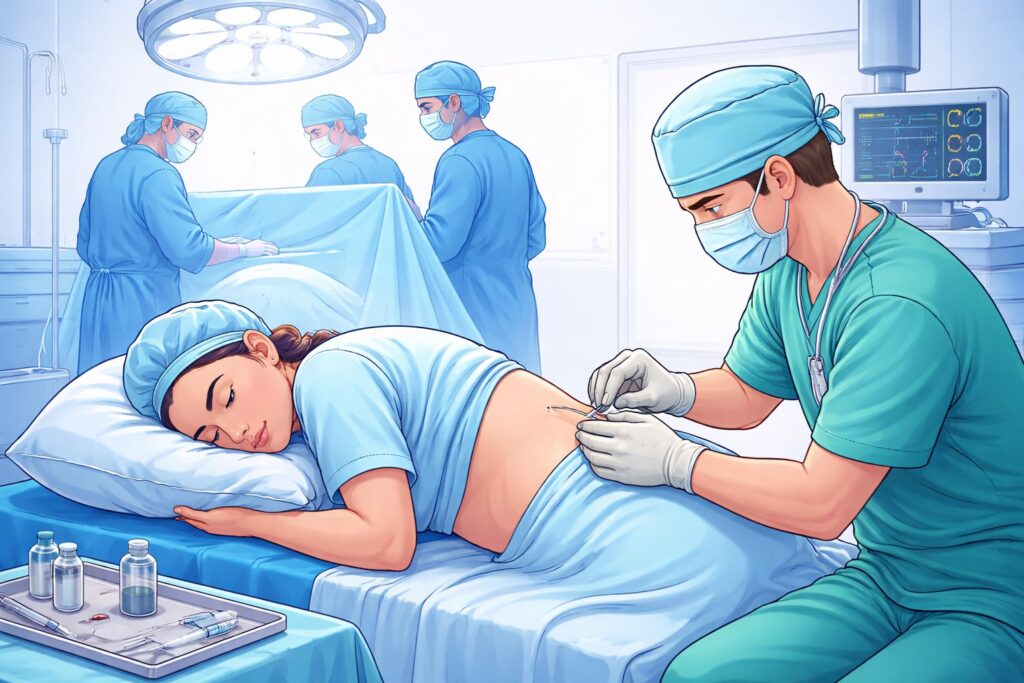
Types of Anaesthesia Used
Spinal anaesthesia
Common for open or vaginal hysterectomy
Good pain relief and early recovery
General anaesthesia
Preferred for laparoscopic and long surgeries
Combined spinal and epidural anaesthesia
Allows excellent postoperative pain control
Recovery After Fibroid Surgery
Hospital stay: 2–5 days
Recovery time:Laparoscopic surgery: 2–4 weeks
Open surgery: 6–8 weeks
Gradual return to normal activities
Possible Risks and Complications
Bleeding
Infection
Injury to near by organs
Rare anaesthesia-related complications
Conclusion
Uterine fibroids are common and usually benign, but they can significantly affect a woman’s quality of life. When surgery is required, the combined role of the surgeon and anaesthesiologist is crucial. Modern surgical techniques and safe anaesthesia practices have made fibroid surgery highly effective with excellent recovery outcomes.